
What Never Appears on a Listing Sheet
Sage Private Office Insights May 27, 2026
Sage Private Office Insights May 27, 2026
Square footage, finishes, acreage, and price provide a necessary baseline. They create a framework for comparison. They establish what something is, at least on the surface. But in high-value decisions—where context matters as much as the asset itself—that surface is rarely where outcomes are determined.
Because what is presented is only a fraction of what exists.
The most consequential factors rarely appear in a listing. Not because they are being withheld, but because they fall outside the scope of what a listing is designed to do. It is a marketing document, not a strategic one. Its role is to describe, not to interpret.
And that distinction is where decisions begin to separate.
“The most important aspects of a property are rarely the ones that are presented—they are the ones that must be uncovered.”
What sits beyond the listing is where real evaluation begins. Future development pressure that reshapes an area over time. Subtle zoning shifts that alter long-term use. Ownership patterns that influence stability, liquidity, and control. The rhythm of a neighborhood—not just how it appears, but how it functions, evolves, and ultimately performs.
These are not details that can be captured in a set of specifications. They are patterns. Signals. Conditions that require interpretation rather than observation.
And without that layer, even the most informed buyer is making decisions within an incomplete frame.
This is where advisory work lives.
Not in the presentation of information, but in the ability to see beyond it. To evaluate how a property fits within a broader landscape—not only as it exists today, but as it is likely to evolve. To surface considerations that are not immediately visible, but materially relevant over time.
Because performance is rarely determined by what is obvious. It is shaped by what was understood before it became visible to everyone else.
Seasoned buyers recognize this instinctively. They know that what is shown is not the full picture. What they value is not more information, but more perspective—someone who is already asking the quieter questions before those questions become necessary.
Not in reaction to a decision, but in preparation for it.
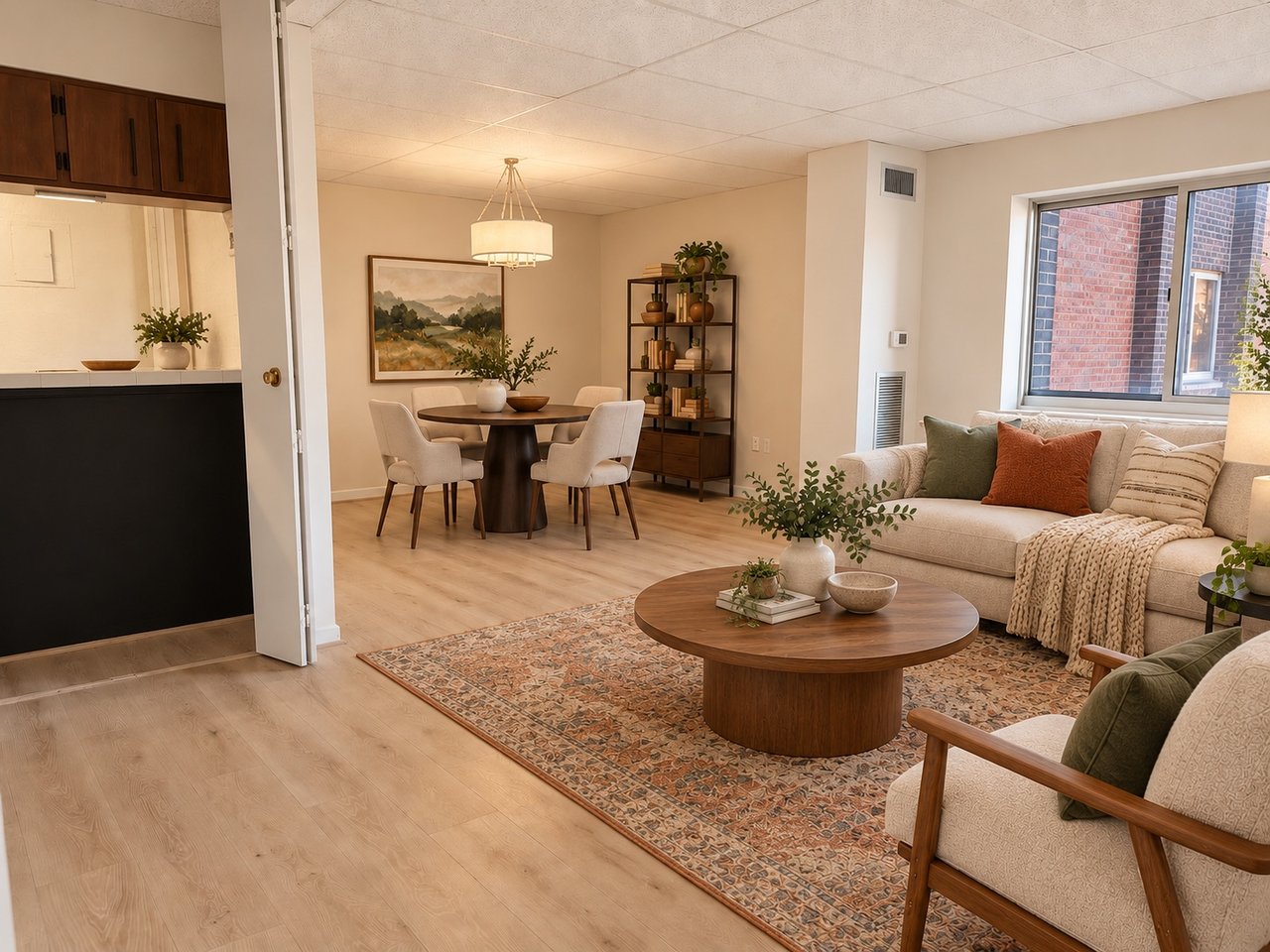
The properties that photograph well often create the strongest first impressions. But the ones that perform over time are defined by something else entirely.
They are defined by what was understood beyond the listing sheet.
For those approaching decisions with that level of perspective, the Intelligent Buyer Brief outlines how structure is established before engagement.
Stay up to date on the latest real estate trends.
Private Office Exclusive

Lou's Perspective

Sage Private Office Insights

Sage Private Office Insights

Sage Private Office Insights

Sage Private Office Insights

Sage Private Office Insights
Sage Private Office Insights

Sage Private Office Insights